Why Color Looks Different at Home Than in the Store
If you’ve ever chosen a color in a showroom — paint, cabinetry, or materials — and then thought, “Wait… is this the same color?” once it’s in your home, you’re not alone.
I once walked into a project with another interior designer and she looked at the walls and said, “Is this the right paint?”
I laughed and said, “Honestly… I don’t know. Every wall looks different.”
And then we both stopped and remembered why.
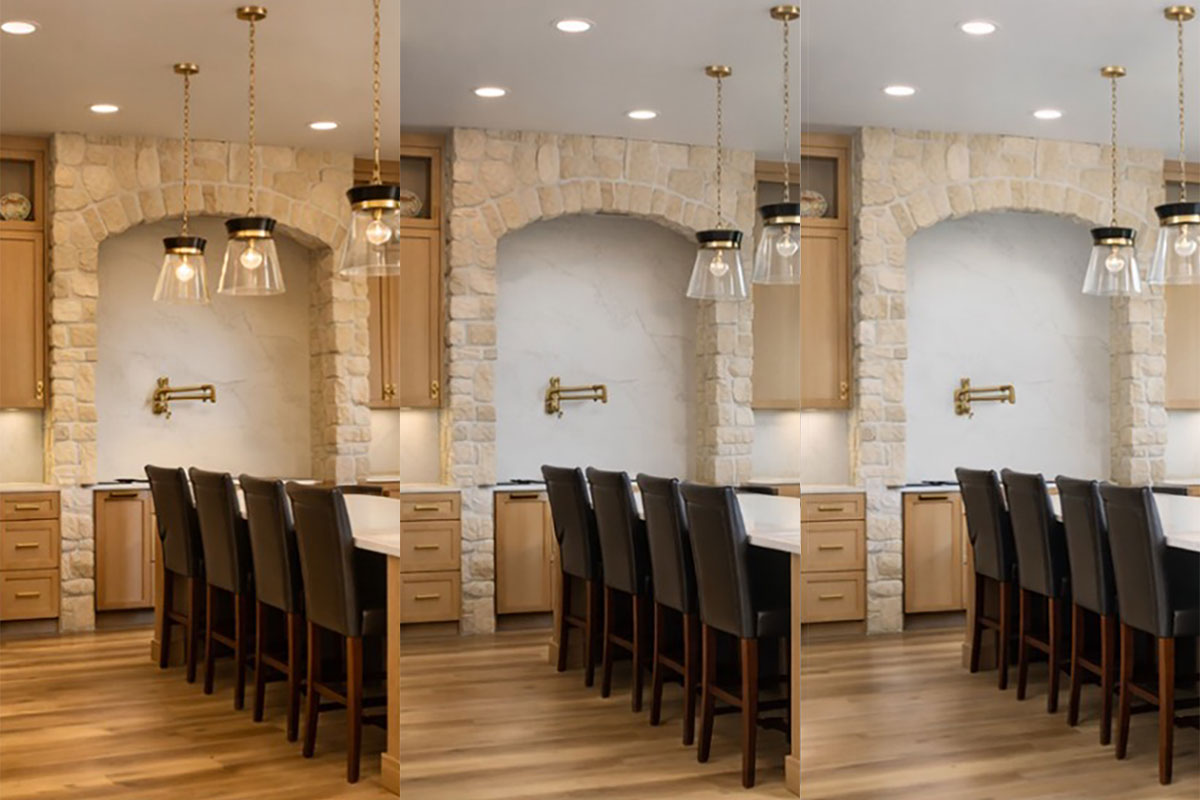
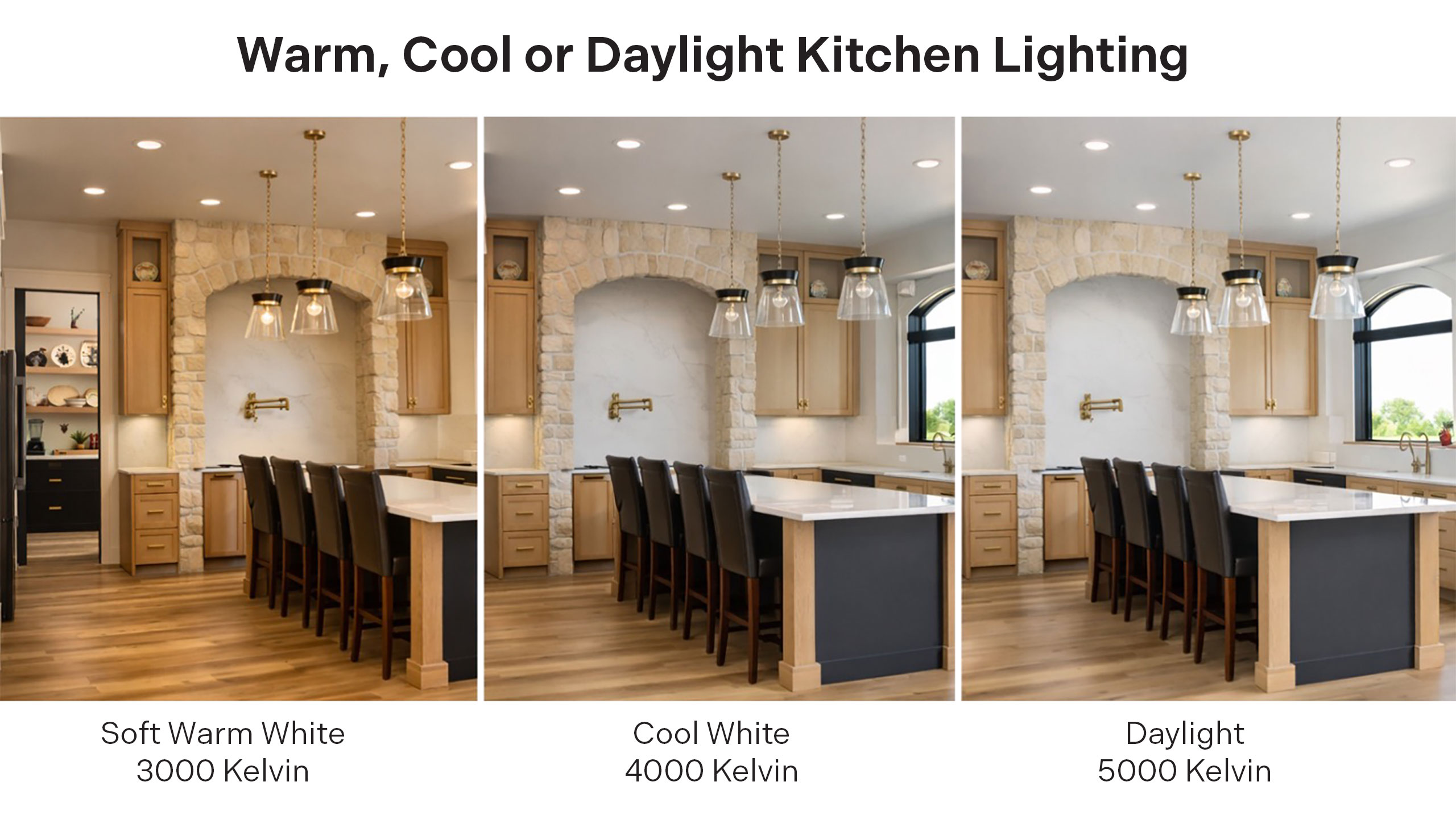
Color itself didn’t change. The light did.
Every Space Has Different Lighting Conditions
Retail spaces, showrooms, and homes all use different lighting — different bulb types, placement, ceiling heights, and natural light exposure.
At BTB, it’s not uncommon for us to literally haul samples around the showroom because the light hits differently in every area. What looks perfect in one spot can feel warmer, cooler, or deeper just a few steps away.
BTB Tip:
Always think about how lighting works in your home, not just how a color looks in one controlled setting. That’s why we encourage clients to view samples at home — and why we love helping curate lighting to achieve the feel you want.
Samples Are Viewed at a Smaller Scale
A paint chip or cabinet door is a tiny preview of what will eventually be a full wall or a long run of cabinetry.
Once color expands, it becomes more present. That doesn’t mean it’s wrong — it just means it’s finally doing its job.
BTB Tip:
Expect color to feel more noticeable once installed. Scale matters.
Finish and Sheen Influence Color
The same color can behave very differently depending on finish.
Glossy or smooth surfaces reflect light and can feel brighter or sharper. Matte or textured finishes absorb light and feel softer and deeper.
BTB Tip:
If a color feels “off,” it’s often the finish — not the color — that needs adjusting.
Surface Texture Adds Variation
Walls, cabinetry, wood grain, profiles, and materials all have texture. Texture changes how light lands and moves across a surface.
That’s why one wall can look different from the next — and why that variation is actually what makes a space feel layered and real.
BTB Tip:
More texture = more natural variation. This is a feature, not a flaw.
Natural Light Changes Throughout the Day
A color will look different in the morning than it does in the afternoon or evening. It will do this at least twice a day, every day.
That’s also why we love tunable lighting for under-cabinet and ambient applications. Being able to adjust light temperature based on time of day or mood gives you flexibility and control over how your space feels.
BTB Tip:
View color at multiple times of day — and don’t judge it on just one moment.
Surrounding Materials Shape Color Perception
Floors, countertops, cabinetry, trim, and furnishings all influence how color reads.
Color works best when it’s evaluated with the materials it will live alongside — not in isolation.
BTB Tip:
Color selection is a team effort between finishes, lighting, and space.
Final Thought
Color doesn’t change — environments do.
