Must-Have Kitchen Feature: The Instant Hot Water Faucet
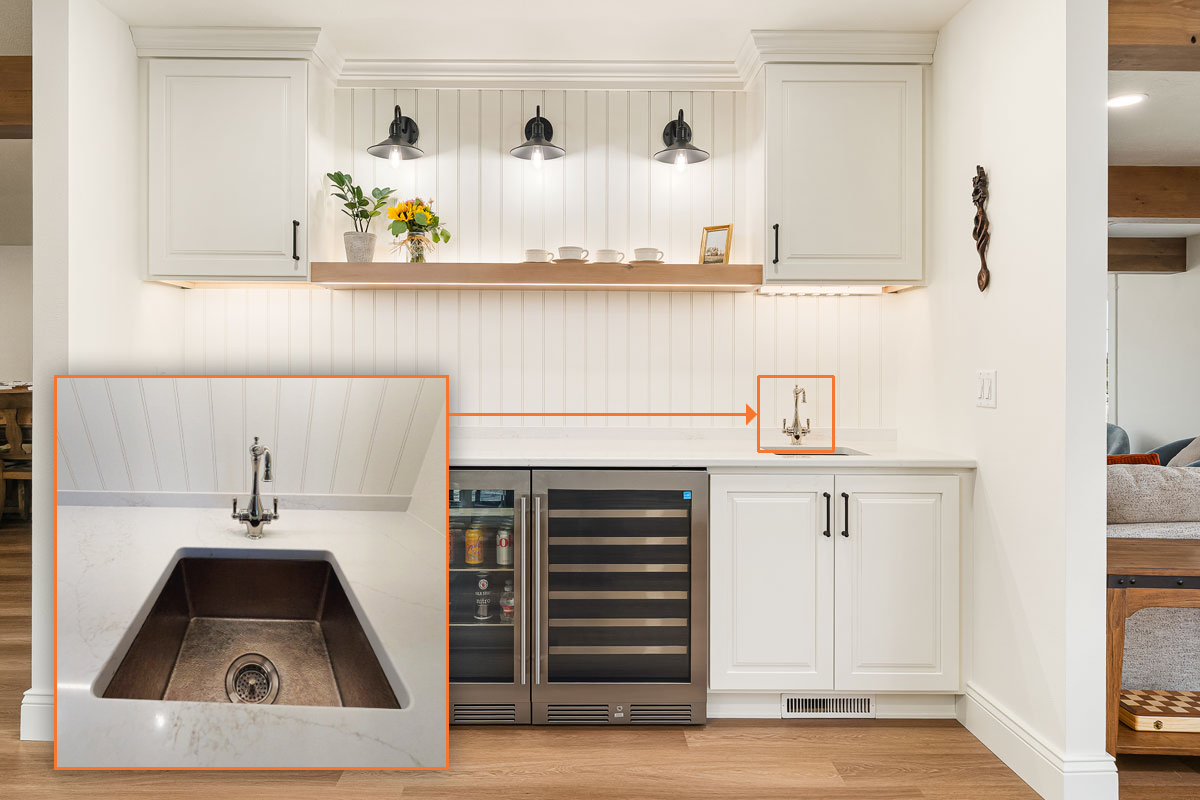
We put a lot of things on our must-have list for kitchens. This one earns its spot every time.
The instant hot water faucet is one of those upgrades that sounds like a small luxury and turns into a daily habit fast. Tea, before the kettle even gets warm. Oatmeal without the microwave shuffle. A cup of noodles in under two minutes. Instant coffee that’s actually instant. If your mornings run on speed, or you just don’t want to wait around for water to boil; this is the fixture that gives time back to you.
What It Actually Does
An instant hot water faucet connects to a small tank (or, on higher-end systems, a boiling unit) installed under the sink, so hot , near boiling; filtered water is on demand at the tap. No kettle, no microwave, no waiting.
Options At Every Price Point
Not every kitchen needs the same version. Here’s how the market breaks down:
| Tier | Price (Installed) | What You Get |
|---|---|---|
| Entry | $250–$450 | Basic hot-only dispensers (InSinkErator Invite/Hot series, entry Waste King). Fast hot water, simple install, no frills. |
| Mid-Range | $400–$700 | Hot-and-cold combo units with better finish options to match your other fixtures (InSinkErator Involve/Wave, Franke Little Butler). The sweet spot for most kitchens. |
| Upper-Mid | $1,300–$2,500+ | Dedicated boiling water taps (Franke Omni, entry Quooker configurations). True instant-boil for tea, pasta water, and beyond. |
| High-End | $7,000–$9,500+ | All-in-one systems (Zip HydroTap and similar) deliver boiling, chilled, sparkling, and filtered water from a single tap. The showpiece option. |
Things Worth Talking Through With Your Designer
- What you’ll actually use it for. Hot-only, hot-and-cold, boiling, or the full sparkling-and-chilled package, the right tier comes down to daily habits, not the price tag.
- Electrical and plumbing. Basic units run off a standard outlet. Boiling taps and all-in-one systems often need a dedicated circuit and more under-sink clearance; good to flag early in the layout.
- Tank size and cabinet space. More frequent use or a bigger household means a bigger tank, which takes up cabinet real estate. It’s a layout conversation as much as a plumbing one.
- Filter maintenance. Filtered systems need a cartridge swap every 6–12 months, a small ongoing cost worth knowing about upfront.
- Finish matching. Make sure the faucet finish matches the rest of the hardware, mismatched metals next to a designer faucet stand out for the wrong reason.
- Safety features. If there are kids in the house, look for a child-lock or two-step activation on boiling taps.
- Warranty and local service. Higher-end units are only as good as the service network behind them — worth confirming before falling in love with one.
Our Take
It’s a small line item on a remodel budget with an outsized impact on how your kitchen actually feels to use every day. That’s exactly why it’s on our must-have list.
Thinking about adding one to your kitchen? Let’s talk options at your next design consultation.
